-
01
WhatsApp B2B2C 3-Year ProgramWhat happened?
-
02
Meta AI × Flamengo Prompted FlagWhat happened?
-
03
Zerezes: Program & Brand Ownership Across 20+ InitiativesWhat happened?
-
04
Gostou Estúdio: 10-Year Founder RunWhat happened?
Project: WhatsApp B2B2C Program · Role: Program Manager, Creative X International · Impact: +53% in a Key Revenue Metric (5 Months), Global Meta Benchmark (6 Months)
The Challenge
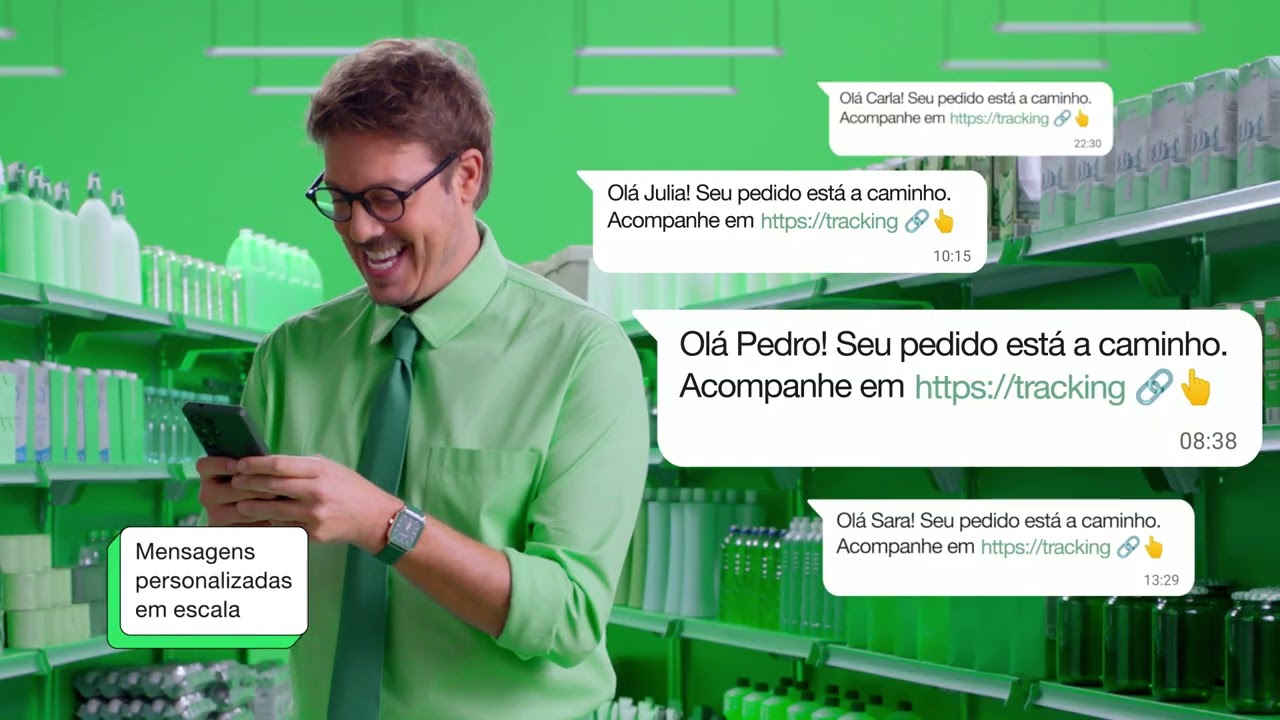
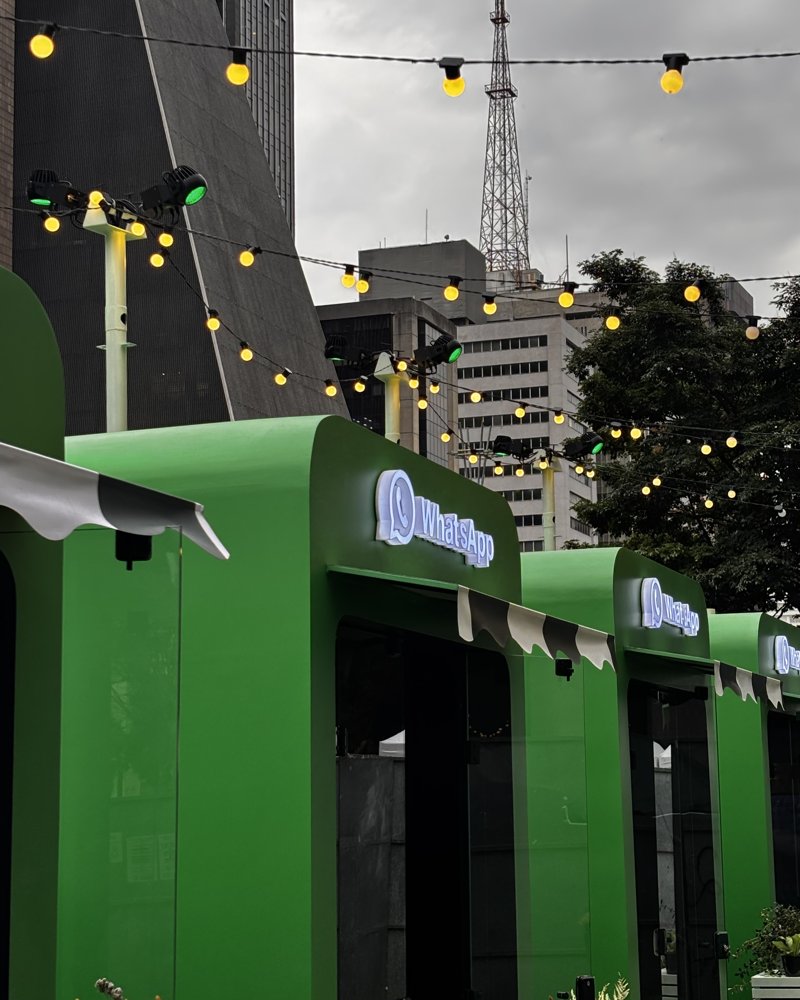
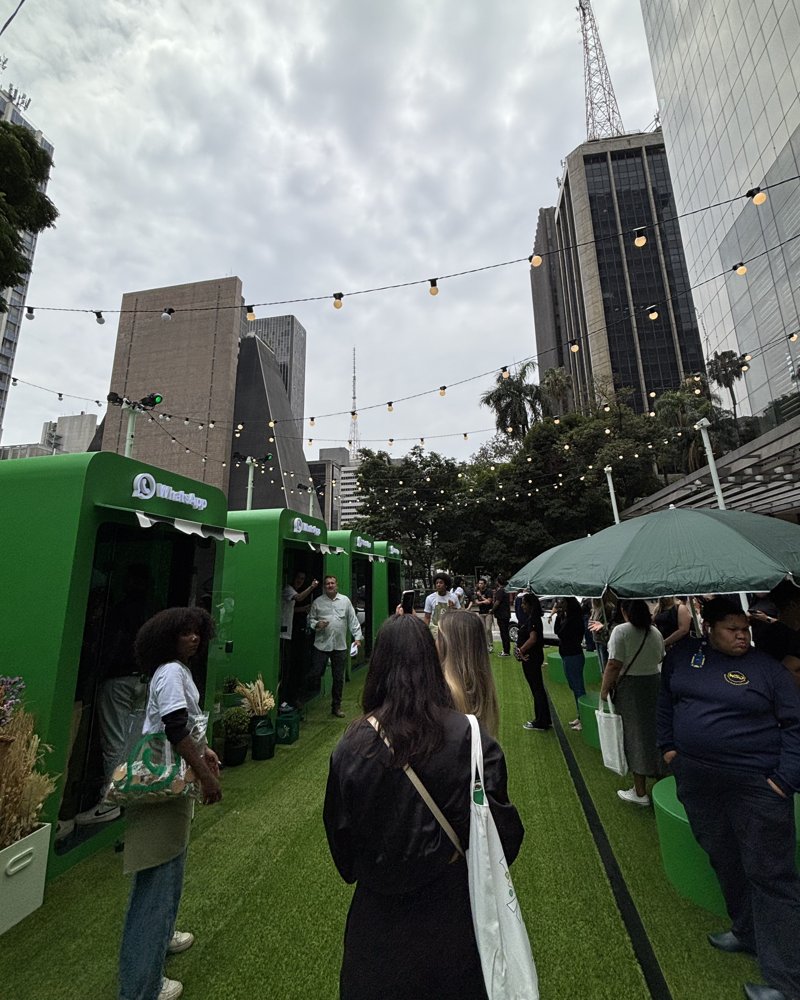
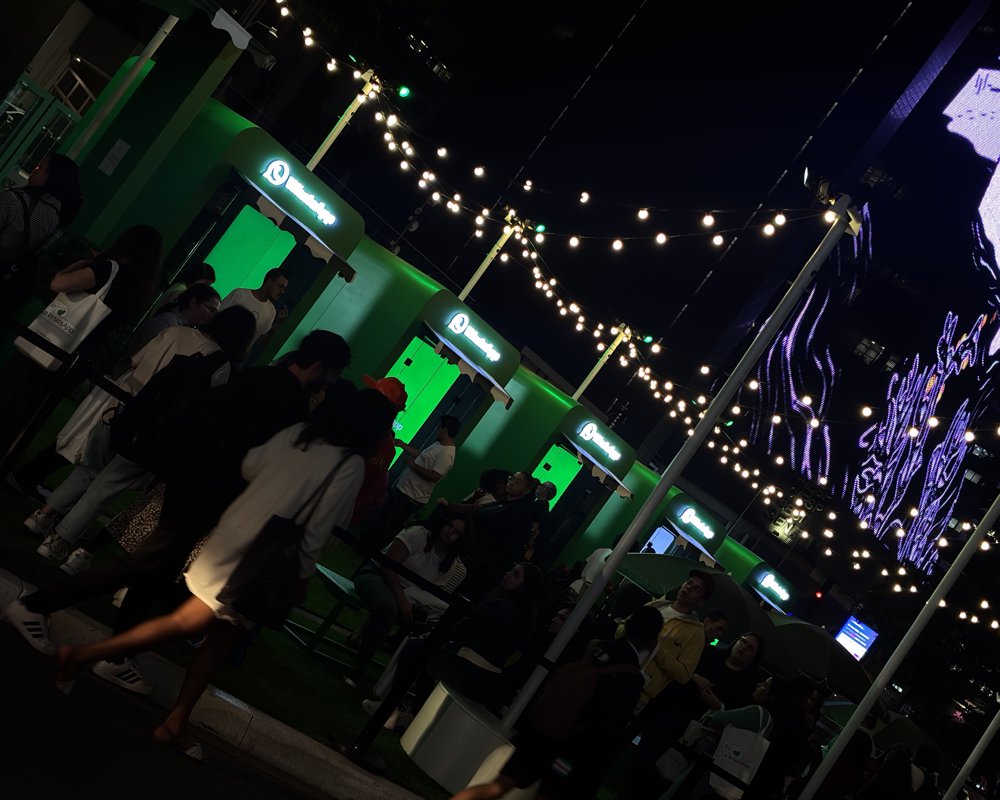
Brazil has millions of small businesses, many of them unbanked or underbanked, running commerce through personal channels with no formal storefront. The objective: drive these businesses to adopt WhatsApp Business, the free app that turns a chat thread into a store, with Click-to-WhatsApp Ads (CTWA) as the core growth benefit once they did.
Strategic Judgment
As Program Manager, I translated a wide, sometimes conflicting set of business objectives, from consumer marketing to WhatsApp leadership to Legal, into one coherent program, surfacing the calls on timing, delivery risk, and cross-team dependencies that leadership needed to keep execution on track.
Execution & Orchestration
Working across teams. Ran daily alignment with the Creative X Creative Directors and an external creative agency to shape the work, adjusting approach whenever delivery stalled and stepping into execution myself when needed. Made sure Creative Directors understood the brief and that stakeholders, consumer marketing, WhatsApp leadership, SMB and Enterprise teams, media, brand, and legal, signed off on what shipped, 15+ people in total.
Multiple channels, one message. Coordinated the launch across TV, owned channels (IG/FB), and external platforms (Google, LinkedIn, TikTok, and YouTube), so the message stayed the same everywhere.
Built to scale. Built the playbooks that turned a 3-year program into a global efficiency benchmark in just 6 months.
External vendor management. Managed external vendors on the client side, ensuring quality and brief adherence across multiple simultaneous production fronts.
Cross-functional program orchestration across Creative X, consumer marketing, SMB and Enterprise, media, brand and legal · 15+ stakeholders
Project: Meta AI × Flamengo, The Prompted Flag · Role: Program Manager, Creative X International · Impact: +5.3% DAU Growth (National Record), 27x PR Return
The Gap
Brazil. Meta AI launch. Early-stage product. The challenge: drive meaningful adoption and word-of-mouth through community-driven activation, inside non-negotiable deadlines tied to the football calendar.
The Shift
The gaps were the gaps. The creative team's call: instead of leading with what Meta AI could do, lead with what it could make happen. Positioning: Meta AI is not the sponsor. It is the tool behind the culture. Turning the act of cheering into a giant prompt, 78,000 fans at Maracanã executing an idea that AI helped generate. I validated the direction before it ran, then owned the cross-functional execution, Brand, Product, Legal, and Partners, that got 8 vendors aligned to make it happen inside a non-negotiable deadline.
The Proof
Globo (Brazil's largest broadcaster) aired the moment for 1.5 minutes on national TV as organic content, without flagging it as a Meta campaign. Earned media doing the work of paid media. The launch drove +5.3% DAU growth in Brazil, an all-time high for Meta AI in the country, and a 27x return on PR.
Launch strategy and execution for Meta AI in Brazil · Cross-functional ownership across Brand, Product, Legal, Partners · 8 vendors · End-to-end project lead
Project: Zerezes Program & Brand Operations · Role: Marketing Operations & Project Lead · Impact: 14 to 26 Stores in 18 Months, 20+ Initiatives
The Challenge
I joined Zerezes during an aggressive growth phase: the brand was expanding into new regions of Brazil, going from 14 to 26 stores. The challenge wasn't discovering whether the product worked, it already had traction. It was coordinating a constant, cross-functional cadence of launches, across very different categories, inside a model that was scaling fast.
Built the Infrastructure
There was no project management tool in place when I joined. I designed and implemented the marketing team's project infrastructure from scratch in Asana, for a 13-person team spanning performance and media, with dependency tracking across product, operations, commercial, tech, and expansion. It cut launch delays and rework, and gave leadership real visibility into project status.
What I Coordinated
Across those months I coordinated launches that ran through the year, not one campaign: seasonal collections, line extensions and new formats (new sizes, the Sport line, and other product tests that scaled), the loyalty program, and ABC Zê, the brand's donation pillar. Different categories, same underlying job: take a value proposition that was already validated, by product, by sales, by the business itself, and translate it into a workable operational plan, without holding the PMM title.
Execution
The clearest example: new sizes for the brand's classic frames. Product had been gathering scattered signal since 2023, sales feedback, customer requests, that the hypothesis was real. What was missing was making it viable and legible enough to launch: new SKU structure, naming, in-store marking, and both internal and customer-facing education, on a reduced budget. It wasn't a campaign, it was a system change: coordinating the dependencies across product, retail ops, and sales to get it live. It launched in 2025 and became a permanent part of the size offering.
Zerezes Sport, the brand's first sports eyewear line, launched in 2025: three models built for running and cycling, each named after a distance icon, with photochromic lenses and a performance-first design departure from the brand's usual runway-facing look. I coordinated its launch the same way I did with the new sizes: translating the product bet into a launch plan and aligning the teams needed to get it there. It didn't stop at launch: a collaboration with Strava followed months later, expanding the test into an ongoing line instead of a one-off drop.
Attribution analysis and channel testing were part of the job too: using consumer behavior data to adjust the portfolio, improve campaign ROI, and inform positioning decisions channel by channel.
External Vendors
Served as the client-side point of contact for external vendors, PR agency and audiovisual production companies, for brand partnership initiatives and activations, approving deliverables and aligning direction.
Launch execution · Brand partnerships · Cross-functional alignment across product, tech, and sales · B2C direct + brand partnerships
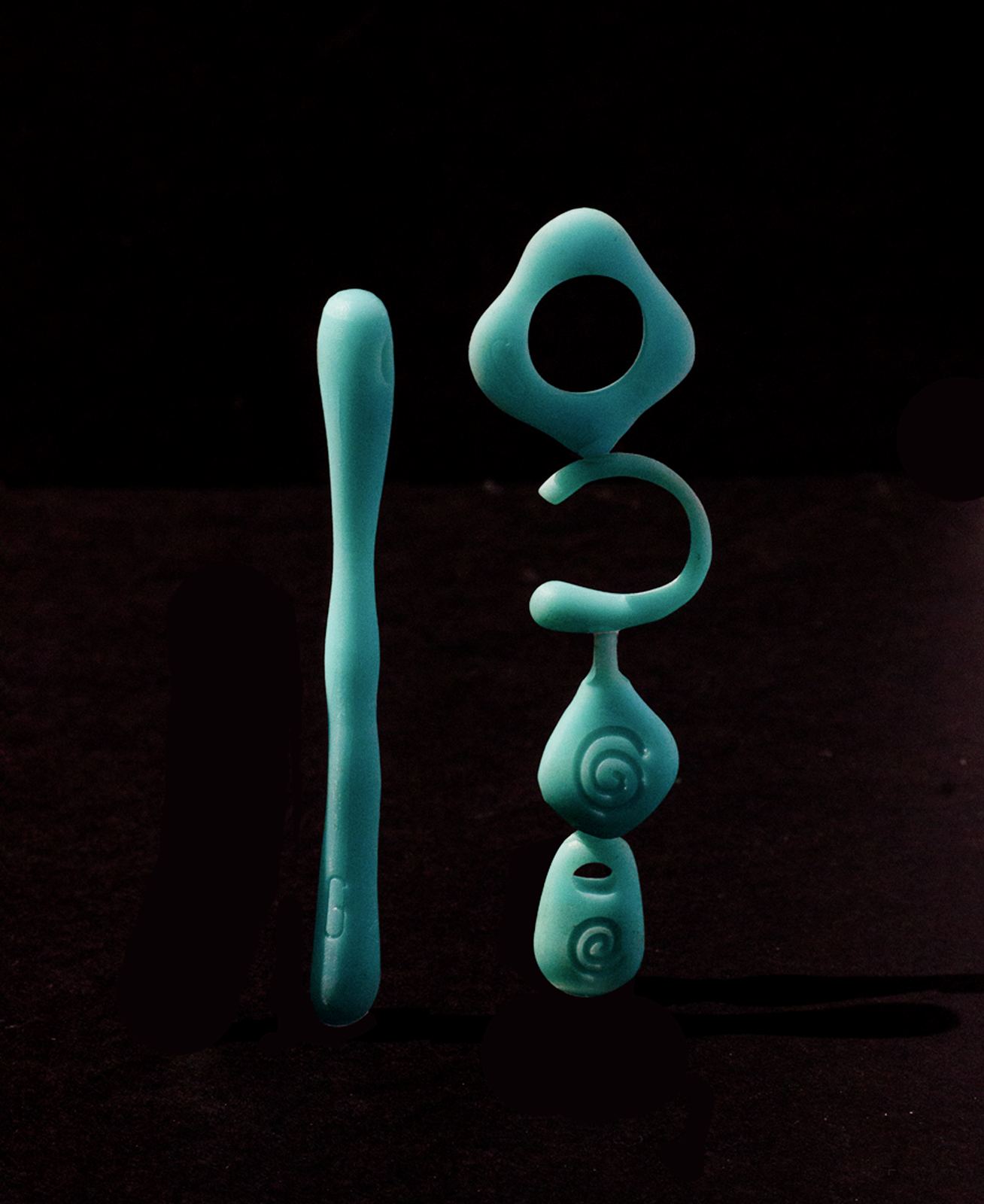
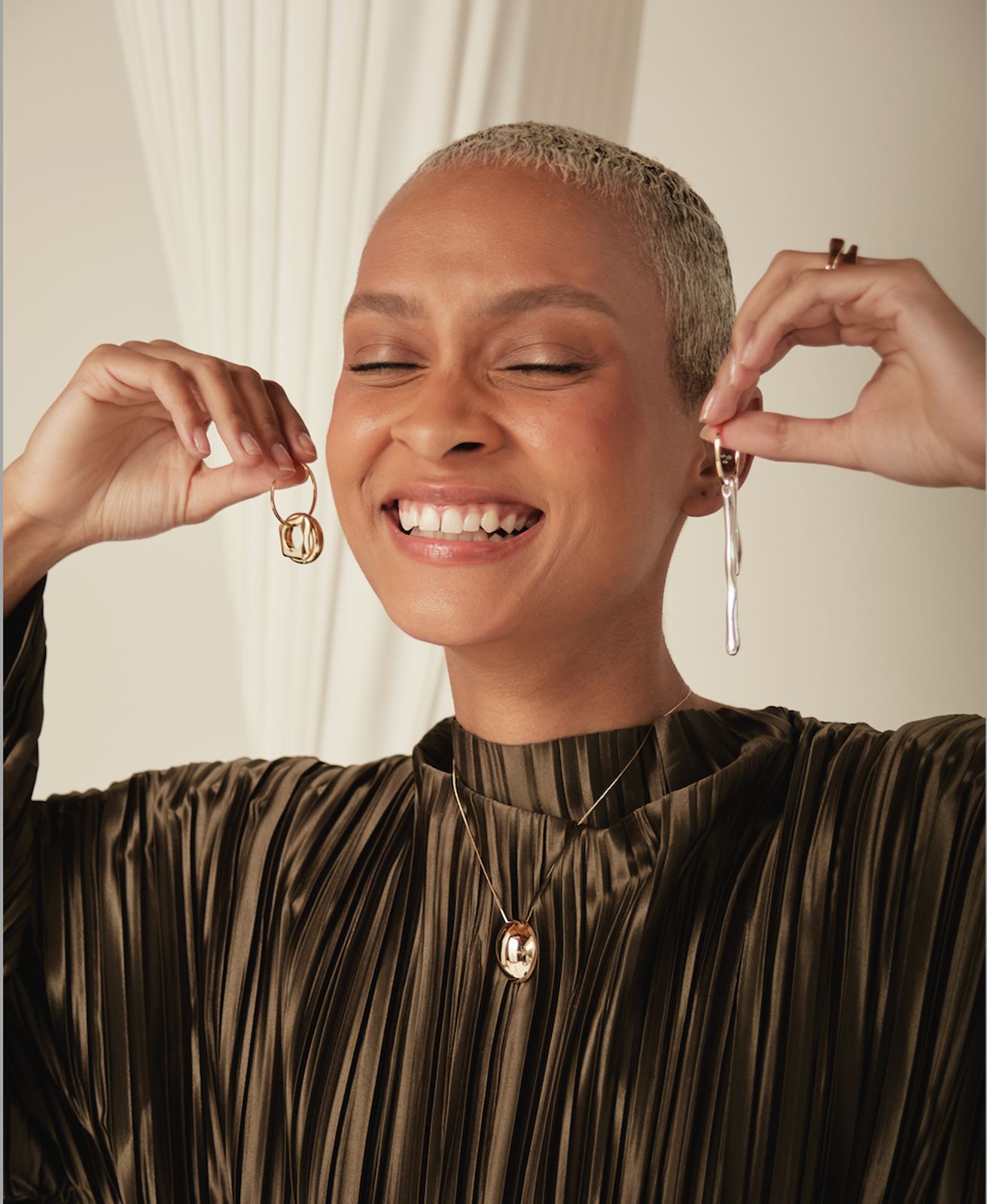
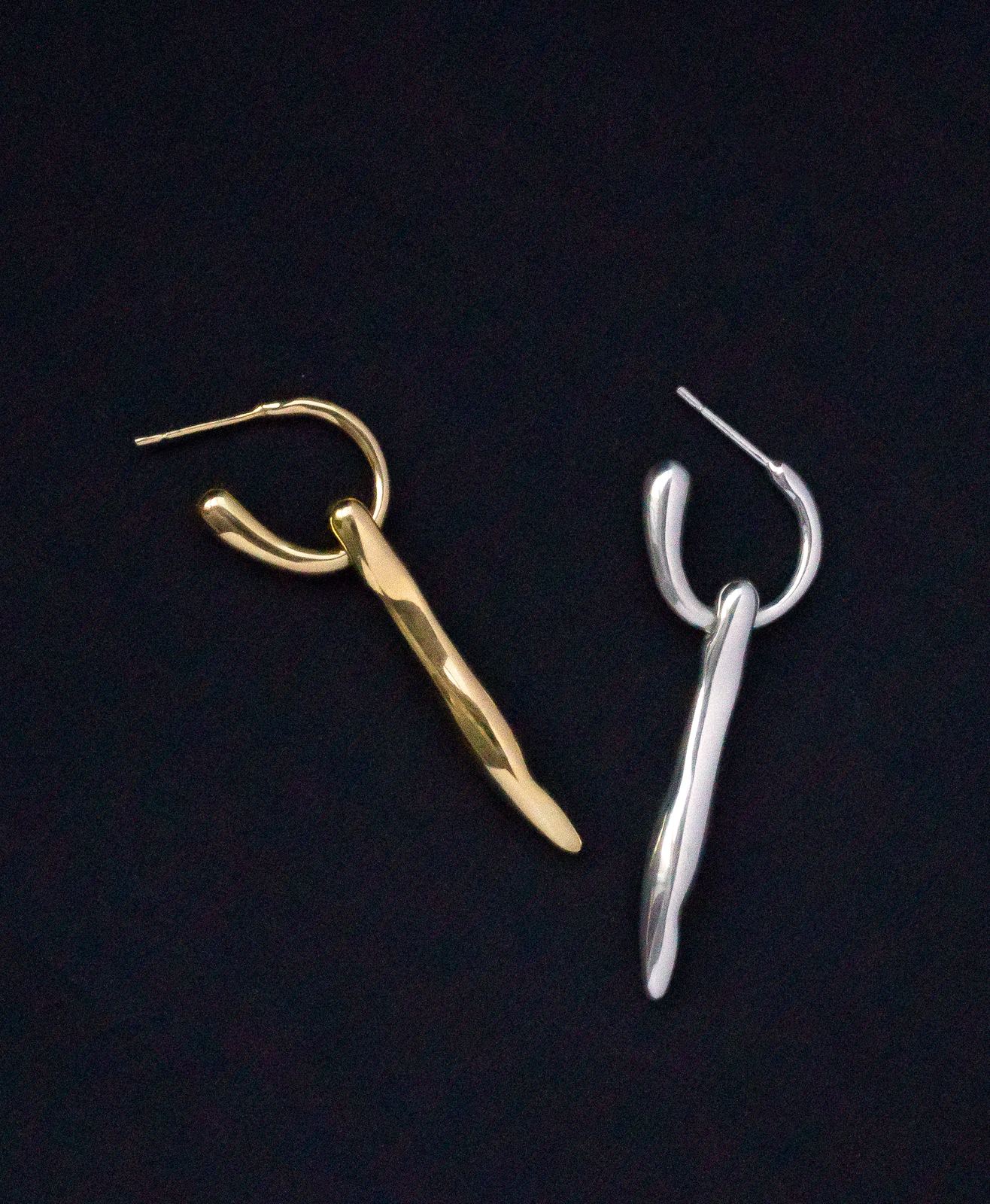
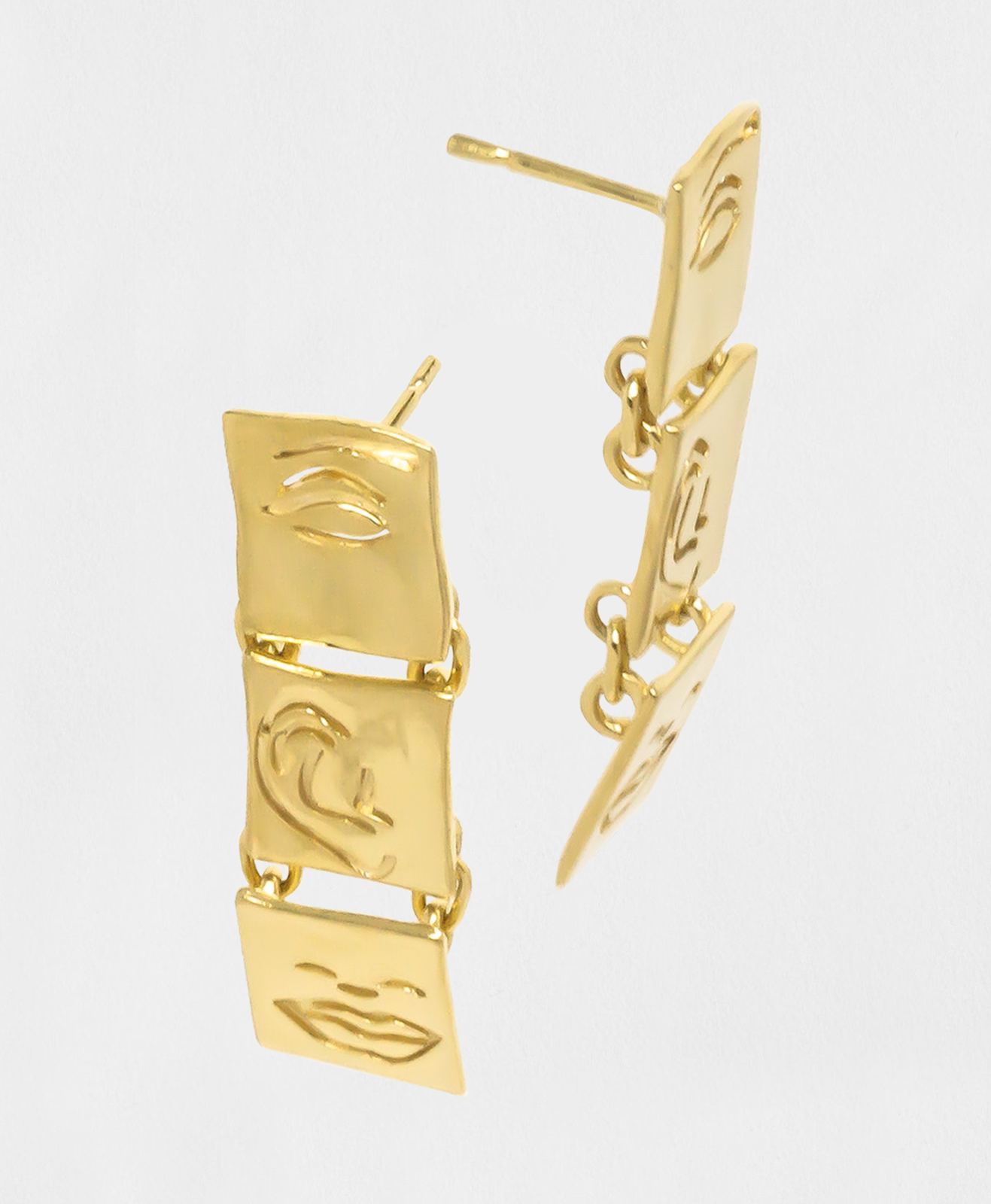
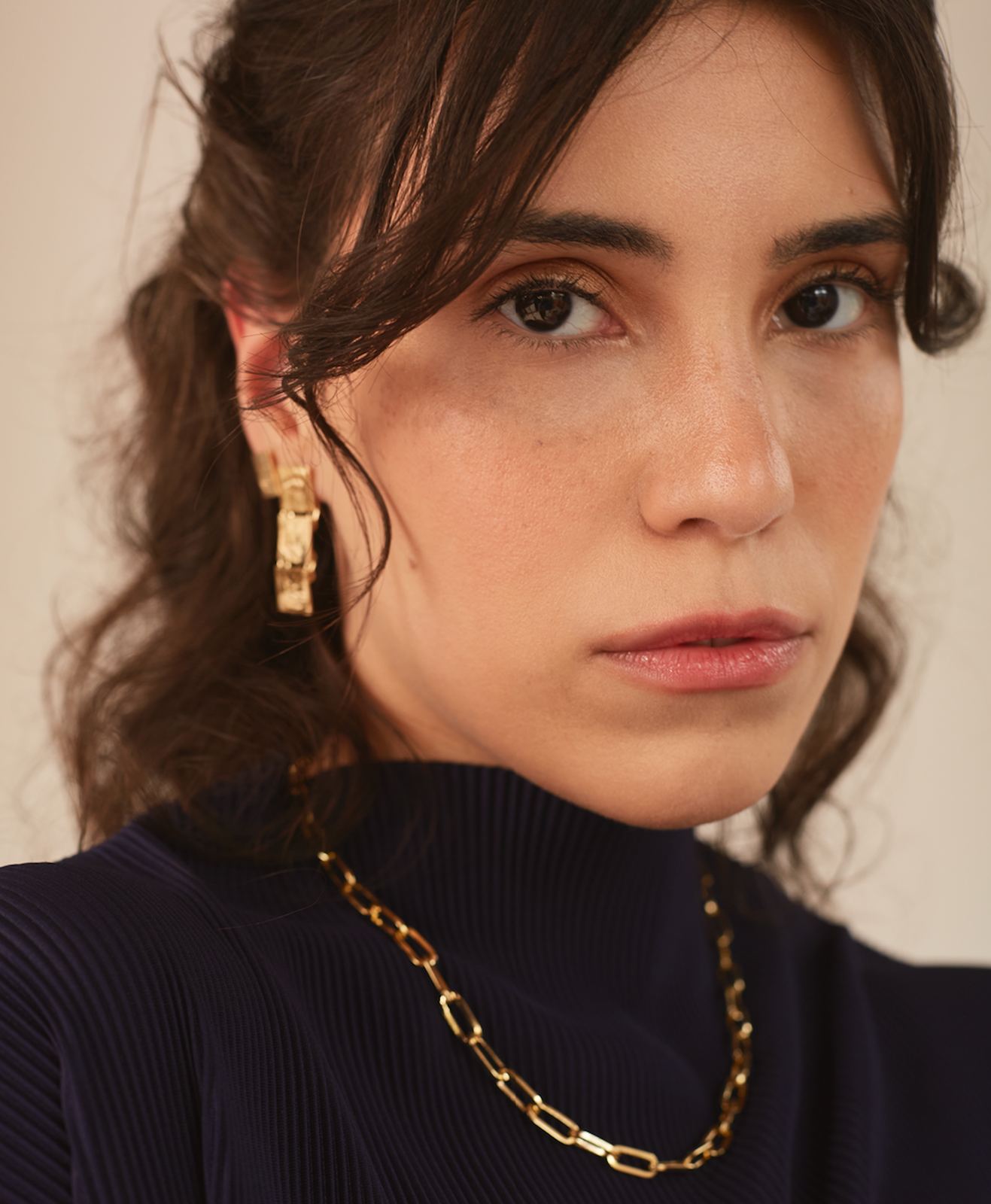
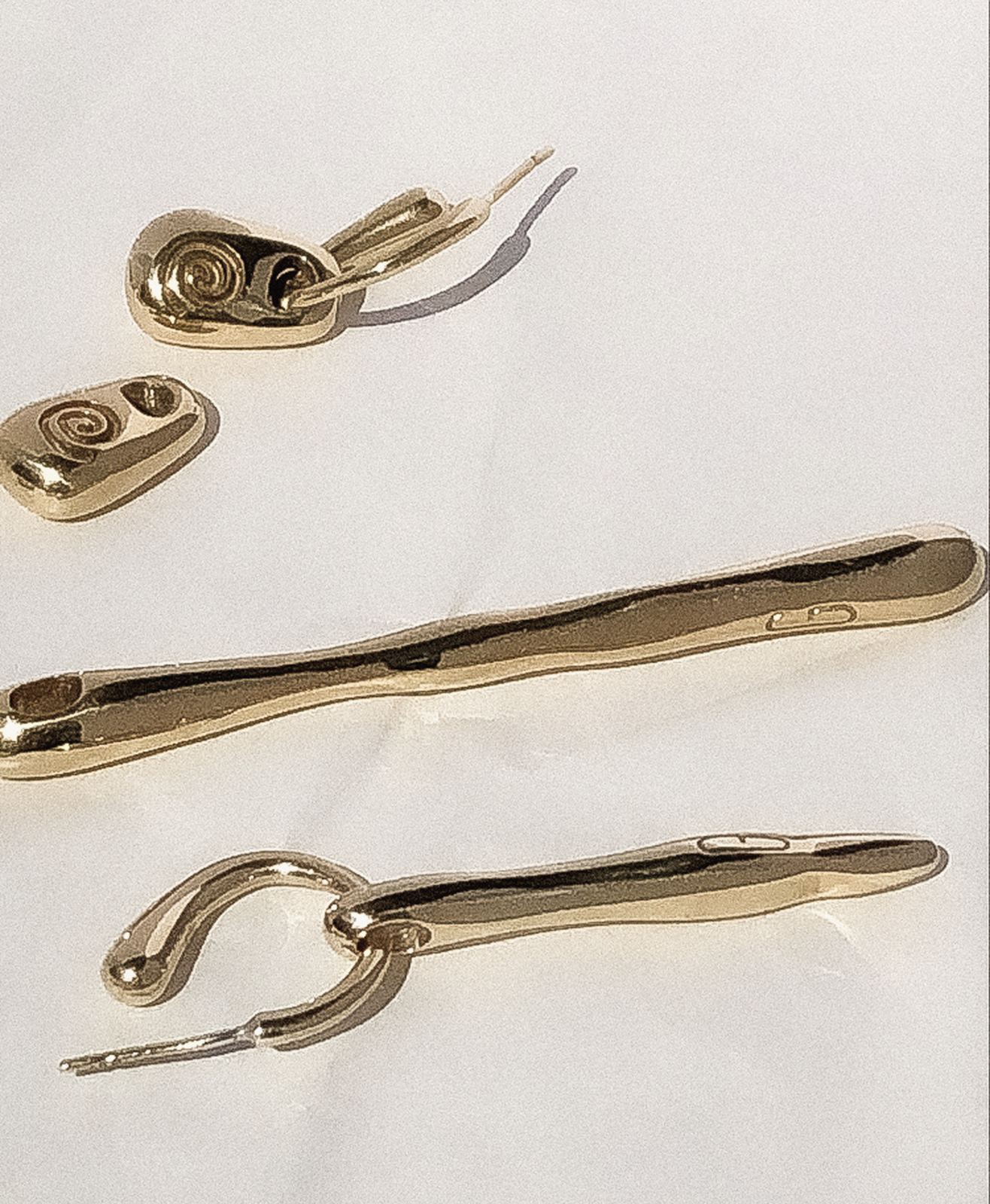
For ten years, I built and ran a jewelry brand. I was the founder, creative director, operations, marketing, salesperson. Most of that time, alone.
The challenge was growing without paid media. Each drop had to find its audience organically. Each returning customer came back because the brand delivered on a real promise. I tested messages on Instagram before brands had a playbook for it, ran win-loss on customers who didn't return, killed pieces that didn't sell, repriced until they moved.
A good part of how I work today came from there: how customers actually decide, how a brand survives without budget, how operations break, and how to fix them while still delivering the next launch on time.
End-to-end ownership: product, brand, ops, growth · Continuous catalog model · Organic customer acquisition · Lived the rise of Brazilian e-commerce and Instagram commerce